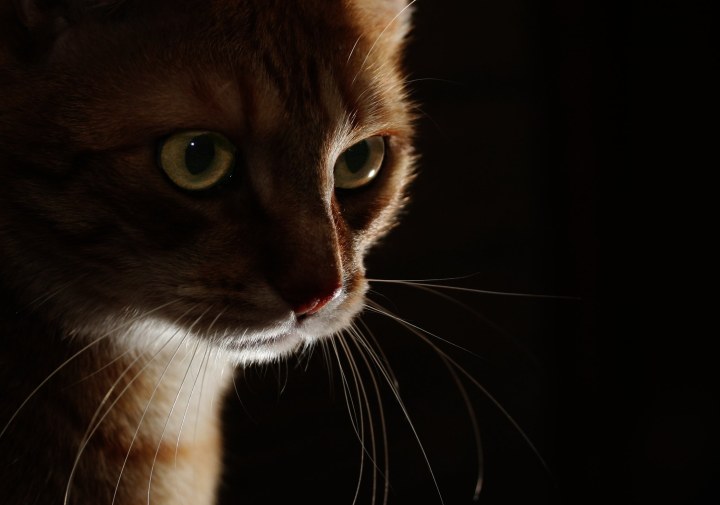
Low-key lighting is a style of lighting for photography, film or television. It is a necessary element in creating a chiaroscuro effect. Traditional photographic lighting, three-point lightinguses a key light, a fill light, and a back light for illumination.
Showing posts with label Technique. Show all posts
Thursday, 6 October 2016
Low Key Lighting Technique Post
Definition-
Low-key lighting is a style of lighting for photography, film or television. It is a necessary element in creating a chiaroscuro effect. Traditional photographic lighting, three-point lightinguses a key light, a fill light, and a back light for illumination.
Tuesday, 4 October 2016
Multiple Exposure Technique Post
Definition-
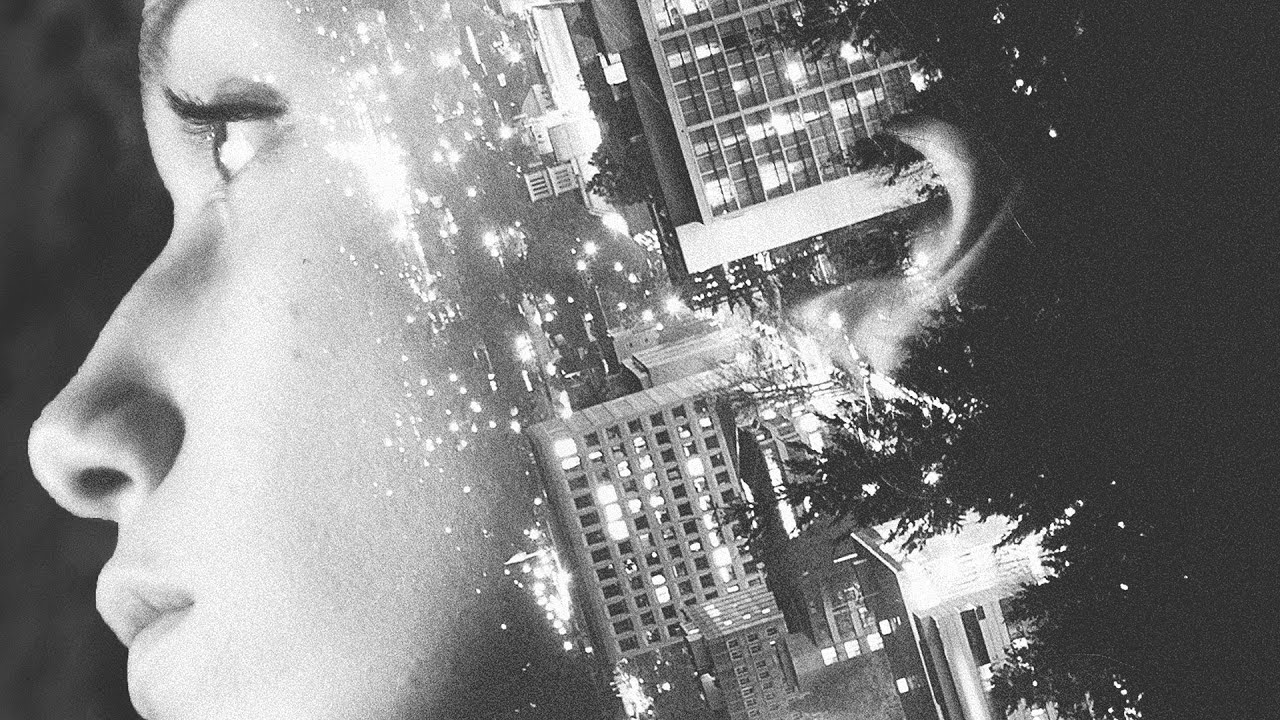
In photography and cinematography, a multiple exposure is the superimposition of two or more exposures to create a single image, and double exposure has a corresponding meaning in respect of two images. The exposure values may or may not be identical to each other.
auto gain of multiple exposure on, number of shots 2, spot metering mode aperture priority mode sensor in centre after the first shot, background needs to be white.
Photoshop 2 layers normal screen


Sequencing Technique Post
High Key Lighting Technique Post
Key Light- Main studio light.
Beauty Dish- Circular dish flexible white for diffuse light or silver for directional light.
Diffusion Sock- Diffuses light throughout picture makes it more even.
Honeycomb (Grid)- Used to direct light, put over light.
Fill Light- Comes up and fills in the shadows.
Back Light- Light put behind the subject to make them stand out from the background.
Colour gel- put over the light to alter colour.
Lighting Diagram- Shows how the light is layered.
Main light in soft box in front of and slightly above model. Exposure is two stops less than background. (if this was f 11 double (f22) for background so becomes over exposed).
Rear flashes cross each other for even light exposure off background at least 2 stood greater than exposure in model's face.
Flashes in stands about head height.
White paper background.
High Key Lighting-
High-key lighting is a style of lighting for film, television, or photography that aims to reduce the lighting ratio present in the scene. This was originally done partly for technological reasons, since early film and television did not deal well with high contrast ratios, but now is used to suggest an upbeat mood.
High key Photography is a modern lighting technique that is based on using mid-tone greys through to bright whites. The use of bright lights and lighting to eliminate shadow reduced the contests in the picture.
Beauty Dish- Circular dish flexible white for diffuse light or silver for directional light.
Diffusion Sock- Diffuses light throughout picture makes it more even.
Honeycomb (Grid)- Used to direct light, put over light.
Fill Light- Comes up and fills in the shadows.
Back Light- Light put behind the subject to make them stand out from the background.
Colour gel- put over the light to alter colour.
Lighting Diagram- Shows how the light is layered.
Main light in soft box in front of and slightly above model. Exposure is two stops less than background. (if this was f 11 double (f22) for background so becomes over exposed).
Rear flashes cross each other for even light exposure off background at least 2 stood greater than exposure in model's face.
Flashes in stands about head height.
White paper background.
High Key Lighting-
High-key lighting is a style of lighting for film, television, or photography that aims to reduce the lighting ratio present in the scene. This was originally done partly for technological reasons, since early film and television did not deal well with high contrast ratios, but now is used to suggest an upbeat mood.
High key Photography is a modern lighting technique that is based on using mid-tone greys through to bright whites. The use of bright lights and lighting to eliminate shadow reduced the contests in the picture.
Monday, 3 October 2016
Multiple Flash Technique Post
Definition-
A flash technique where you fire the flash several times to increase the exposure allowing a smaller aperture to be selected.
Tuesday, 20 September 2016
Slow Sync Technique Post
Definition-
Slow sync
flash is just a fancy term for using your flash with a slow shutter speed. It
helps you keep your subject sharp while capturing motion or a dark background.
Slow sync is a feature available on a wide range of digital cameras that enables you to fire the flash at lower shutter speeds.
Equipment-
Slow sync is a feature available on a wide range of digital cameras that enables you to fire the flash at lower shutter speeds.
Equipment-
Light source, Tripod, Subject, Snoot, A plain and dark background, camera, A light meter, modelling light and flash light.
Theory-
•You
see, with a normal flash photo, the shutter is only open for a fraction of a
second, so the flash is firing for most of your exposure.
•With
a long exposure, your camera's shutter is open for much longer than the flash
is firing - perhaps even several seconds.
•You can
choose whether you want to fire the flash at the start or end of the exposure.
Blur Technique Post
Definition-
Motion blur is the apparent streaking of rapidly moving objects in a still image or a sequence of images such as a movie or animation. It results when the image being recorded changes during the recording of a single exposure, either due to rapid movement or long exposure.
Tuesday, 6 September 2016
Location Portraiture Technique Post
- Location Portraiture
- Shallow or narrow depth of field for portraiture photography.
- F5.6, aperture as to allow light.
- Manual focus, testing focus by seeing if the eyes of the subject are in focus.
- ISO 200-400.
- 1/200 Shutter speed.
Rules
- F stop 2.8, 4, 5.6, 8, 11, 16, 22, 32, 64 (the higher makes double amount of light)
- (high depth of field low F stop)
- 1/30s 1/60s (halving the amount of light)
- 30", 15", 8", 4", 2", 1", 1/2, 1/4, 1/8, 1/15, 1/30, 1/60, 1/125, 1/250, 1/500 (main shutter speeds)
•
Large aperture = low f.stop =
narrow depth of field.
•Small
aperture = high f.stop =
wide depth of field
Tuesday, 21 June 2016
Focal Length Technique Post
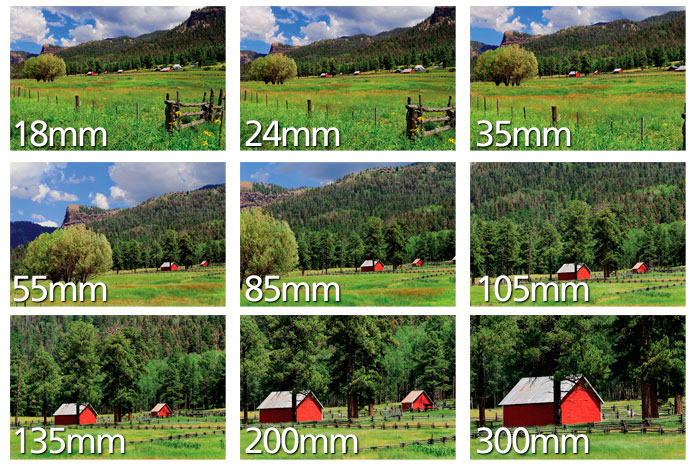
Definition- The focal length of the lens is the distance between the lens and the image sensor when the subject is in focus, usually stated in millimeters (e.g., 28 mm, 50 mm, or 100 mm). In the case of zoom lenses, both the minimum and maximum focal lengths are stated, for example 18–55 mm.
Field of view is determined by the angle of view from the lens out to the scene and can be measured horizontally or vertically.
Larger sensors or films have wider FOV's and can capture more of the scene.
In 35mm photography, lenses with a focal length of 50mm are called "normal" because they work without reducing magnifying and creates images the way we see the scene with our naked eyes (same picture angle of 46 degrees).
Wide angle lenses (short focal length) capture more - wide picture angle.
Thursday, 16 June 2016
Macro Technique Post
Definition-
Photography producing photographs of small items larger than life size.
1) Magnification
Macro photography has to do with the size that your subject is projected onto your camera's sensor.
magnification on a macro lens would be life size . A 1:2 is half of life size. Above 1:10 you aren't really shooting macro anymore.
2) Working distance
working distance is the distance between your sensor and your subject at the closest possible focus distance for your lens.
1) Tripod
2) Fast shutter speed
3) manual camera settings
4) manual focus
5) no camera shake (be careful when pressing the button)
6) direct the shoot (composition/framing and where the moving elements will move from and to are important)
7) photo-editing software
Photography producing photographs of small items larger than life size.
1) Magnification
Macro photography has to do with the size that your subject is projected onto your camera's sensor.
magnification on a macro lens would be life size . A 1:2 is half of life size. Above 1:10 you aren't really shooting macro anymore.
2) Working distance
working distance is the distance between your sensor and your subject at the closest possible focus distance for your lens.
1) Tripod
2) Fast shutter speed
3) manual camera settings
4) manual focus
5) no camera shake (be careful when pressing the button)
6) direct the shoot (composition/framing and where the moving elements will move from and to are important)
7) photo-editing software
Tuesday, 14 June 2016
Subscribe to:
Posts (Atom)